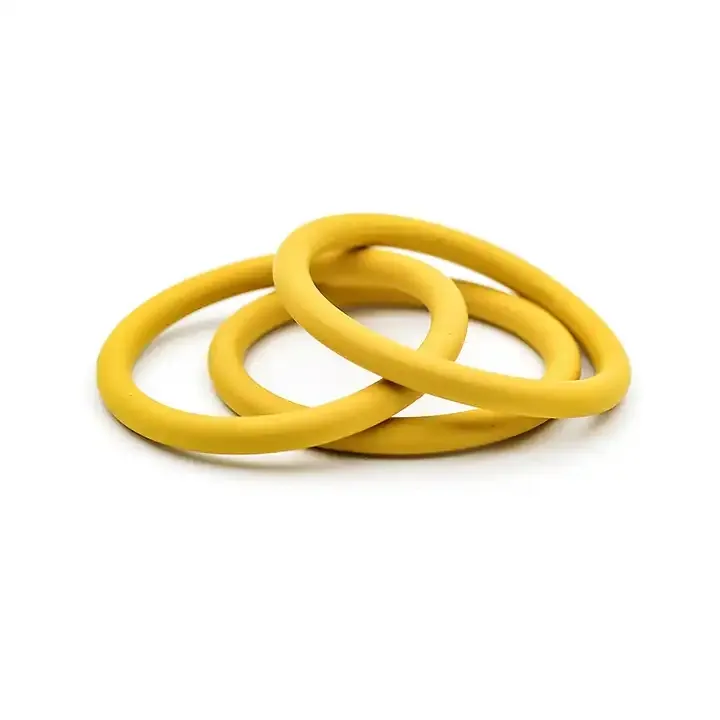
Introduction To EPDM
We are an OEM & ODM manufacturer in China,and we have full experience with excellent R&D team in custom molded rubber & silicone parts, seals, buttons, stopper, gifts, etc. We can provide to our customers in-house tooling, samples within 7 days, 100% inspection, PPAP and small MOQ.
Introduction To EPDM
EPDM Material Description
Introduction
EPDM is a terpolymer of ethylene, propylene and non-conjugated diolefins.
Good resistance to sunlight, weathering and ozone.
It has poor resistance to petroleum oils and fuel. Good heat and compression set resistance.
rade names include Nordel® (DuPont Dow Elastomers), Vistalon® (ExxonMobil Chemical), Epsyn® (DSM Elastomers), Royalene® (Uniroyal Chemical), and Epcar® (B.F. Goodrich).
| Product name | Ethylene Propylene Diene Monomer |
| Abbreviation | EPDM |
| Relative density | 0.87 |
| Elongation (%) | 100~300 |
| Synthetic monomers | Ethylene, propylene, and non-conjugated diolefins |
| Characteristic | Poor resistance to oxidation, ozone and erosion, self-adhesiveness and mutual adhesion |
Low density and high fillability
The density of EPDM rubber is a lower type of rubber, which has a density of 0.87.
In addition, a large amount of oil can be filled and filler added, so as to reduce the cost of rubber products, make up for the shortcomings of the high price of ethylene propylene rubber.
For high Mooney value ethylene propylene rubber, the physical and mechanical energy after high filling is not greatly reduced.
Aging resistance
EPDM rubber has excellent weather resistance, ozone resistance, heat resistance, acid and alkali resistance, water vapor resistance, color stability, electrical properties, oil filling and room temperature fluidity.
EPDM products can be used for a long time at 120 °C, and can be used briefly or intermittently at 150-200 °C.
The addition of suitable antioxidants can increase its operating temperature.
EPDM rubber crosslinked with peroxide can be used under harsh conditions.
EPDM rubber can reach more than 150h without cracking under the condition of ozone concentration of 50pphm and 30% stretching.
Corrosion resistance
Due to the lack of polarity and low unsaturation of ethylene propylene rubber, it has good resistance to various polar chemicals such as alcohols, acids, alkalis, oxidants, refrigerants, detergents, animal and vegetable oils, ketones and lipids.
However, it is less stable in lipid and aromatic solvents (such as gasoline, benzene, etc.) and mineral oils.
Under the long-term action of concentrated acids, the performance should also decrease.
In ISO/TO 7620, nearly 400 kinds of corrosive gaseous and liquid chemicals are collected on the properties of various rubbers, and specify grades 1-4 indicating the degree of action, the effect of corrosive chemicals on rubber properties.
| Grade | Volume swelling rate/% | Hardness reduction value | Impact on performance |
| 1 | <10 | <10 | Mild or none |
| 2 | 10-20 | <20 | Smaller |
| 3 | 30-60 | <30 | Medium |
| 4 | >60 | >30 | Severe |