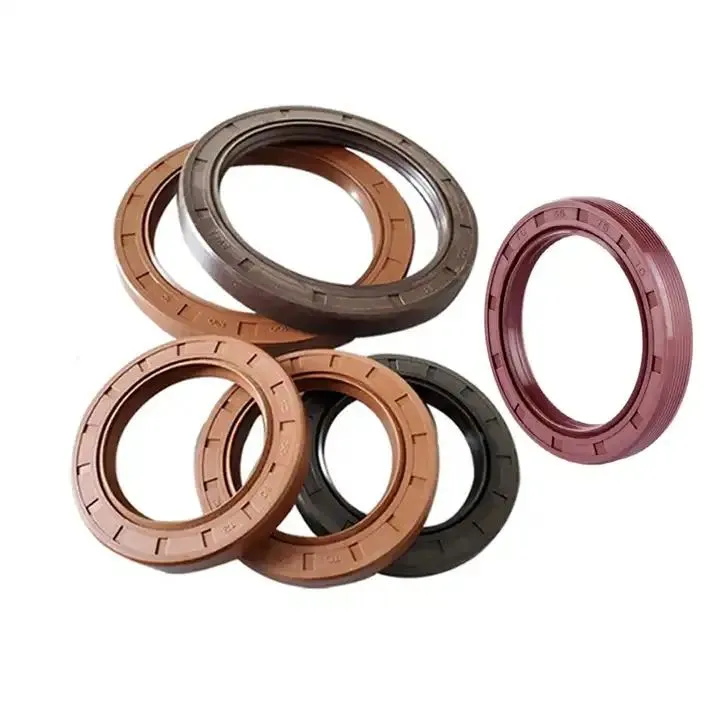
Introduction To ACM
We are an OEM & ODM manufacturer in China,and we have full experience with excellent R&D team in custom molded rubber & silicone parts, seals, buttons, stopper, gifts, etc. We can provide to our customers in-house tooling, samples within 7 days, 100% inspection, PPAP and small MOQ.
Introduction To ACM
ACM Material Description
Introduction
Polyacrylate elastomers are well suited for use with extreme pressure (EP) lubricants and have high resistance to oxidation and ozone.
Trade Names Include Cyanacryl® (American Cyanamid), HyTemp® (BF Goodrich), and Thiacril® (Uniroyal).
Due to the special structure, it has many excellent characteristics, such as heat resistance, aging resistance, oil resistance, ozone resistance, UV resistance, etc.
The mechanical properties and processing properties are better than those of fluoroelastomer and silicone rubber, and its heat resistance, aging resistance and oil resistance are better than nitrile rubber.
ACM is widely used in various high-temperature, oil-resistant environments, and has become a sealing material that the automotive industry has focused on developing and promoting in recent years.
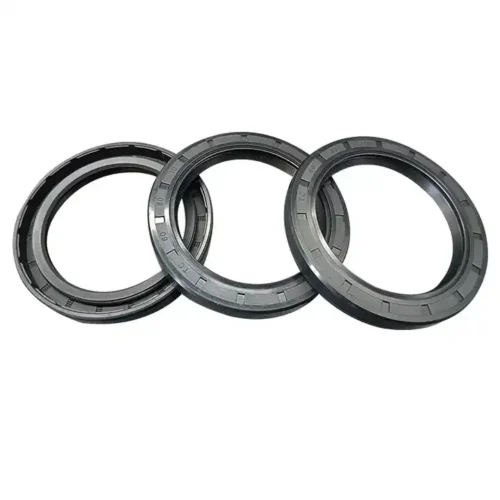
Especially for high-temperature resistant oil seals, crankshafts, valve stems, cylinder gaskets, hydraulic oil pipelines, etc. of automobiles.
| Product name | Elongation | Tear strength | Compression set | Relative density |
| Acrylic rubber (ACM) | 210%. | 32KN/m | At 150°C* 70H | 1.1 |
Performance composition
Master monomer
Commonly used main monomers are methyl acrylate, ethyl acrylate, butyl acrylate and 2-ethylhexyl acrylate.
As the carbon number of the side ester group increases, the cold resistance increases, but the oil resistance deteriorates.
In order to maintain the good oil resistance of ACM and improve its low temperature performance, some low-temperature oil-resistant monomers with polar groups are synthesized.
Low temperature oil-resistant monomer
The traditional use of alkoxyether acrylate to participate in copolymerization obtains the cold resistance temperature of ACM below -35 °C.
Later, in industrial production, methoxyethyl acrylate was selected as a comonomer to produce cold-resistant ACM, which further reduced the use temperature.
In recent years, the use of polyethylene glycol acrylate methoxy ester, dimethoxyethyl maleic acid as low-temperature oil-resistant monomers has a better effect.
In addition, DuPont uses ethylene and methyl acrylate solution to copolymerize ethylene into the polymer backbone, which can significantly improve the low-temperature flexibility of the product.
Vulcanized point monomer
In order to make ACM convenient for vulcanization treatment, a certain amount of vulcanization point monomer must also be added to participate in copolymerization.
Generally, the content of vulcanization point monomer is less than 5%, and vulcanization point monomer can be divided into chlorine-containing type, epoxy type, carboxyl type and double bond type according to the reactive point.
Among them, the main industrial applications are chlorine-containing vinyl chloroacetate, epoxy glycidyl methacrylate, allyl glycidyl ester, double-bonded 3-methyl-2-butenyl ester, carboxylic acid monoester maleic acid or chlaminate monoester.