Showing 37–48 of 127 results
-
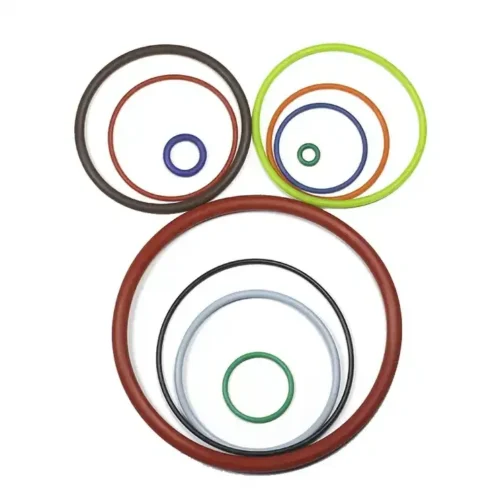
Introduction To AEM AEM Material Description Introduction 1 Ethylene acrylic compounds provide high-heat aging resistance while providing good physical properties. 2 They offer a high degree of oil, ozone, UV, and weather resistance along with good low temperature flexibility. 3 Manufactured under the trade name Vamac® by DuPont Dow Elastomers. 4 AEM rubber full…
-
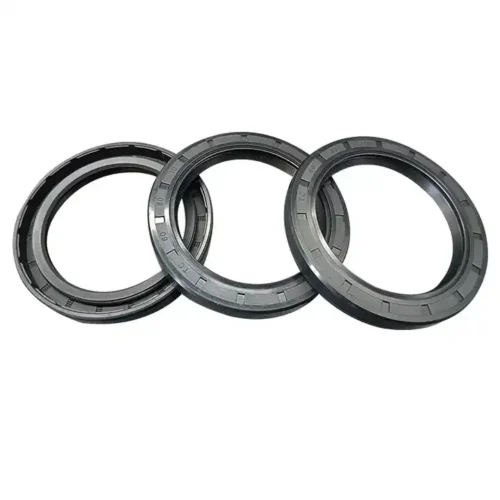
Introduction To CR CR material description Introduction 1 A synthetic rubber that resists degradation from sun, ozone, and weather. 2 It performs well in contact with oils and many chemicals. 3 Neoprene remains useful over a wide temperature range, displays outstanding physical toughness, and resists burning inherently better than exclusively hydrocarbon rubbers. 4 Neoprene…
-
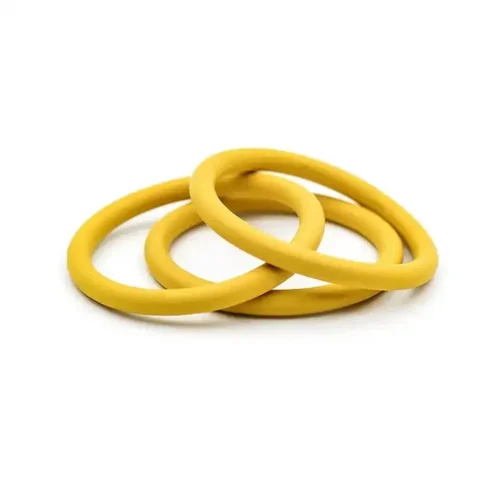
Introduction To EPDM EPDM Material Description Introduction 1 EPDM is a terpolymer of ethylene, propylene and non-conjugated diolefins. 2 Good resistance to sunlight, weathering and ozone. 3 It has poor resistance to petroleum oils and fuel. Good heat and compression set resistance. 4 rade names include Nordel® (DuPont Dow Elastomers), Vistalon® (ExxonMobil Chemical), Epsyn®…
-
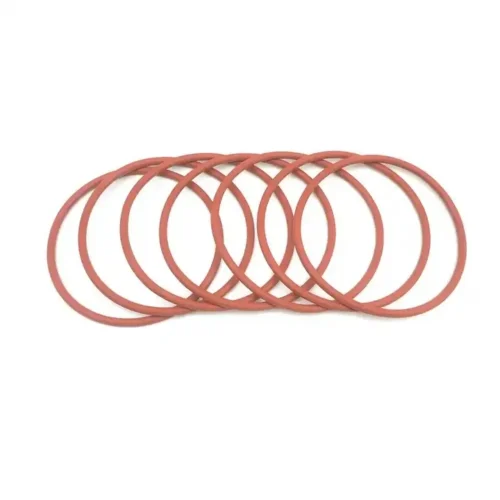
Introduction To FKKM FKKM Material Description Introduction 1 Perfluoroether rubber is a terpolymer of perfluoro(methyl vinyl) ether, tetrafluoroethylene and perfluoroalkylene ether. It is also known as perfluoroelastomer. 2 The long-term efficacy of perfluoroether rubber sealing parts can improve production efficiency and reduce maintenance costs. 3 With elasticity and PTFE thermal and chemical stability. 4…
-
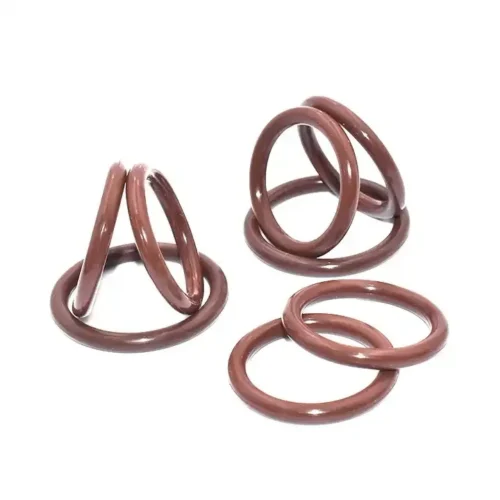
Introduction To FKM FKM Material Description Introduction 1 Fluororubber refers to a synthetic polymer elastomer containing fluorine atoms on the carbon atoms of the main or side chain. 2 Excellent heat resistance, oxidation resistance, oil resistance, corrosion resistance and atmospheric aging resistance, and has been widely used in aerospace, aviation, automobile, petroleum and household…
-
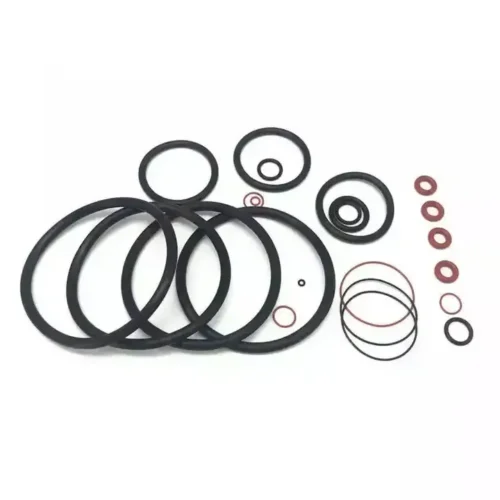
Introduction To FVMQ FVMQ Material Description Introduction 1 The mechanical and physical properties are very similar to silicone. 2 However, Flourosilicone offers improved fuel and mineral oil resistance but poor hot-air resistance in comparison. 3 Suggested operating temperature (-100° to 350° F). Trade names include FSE® (General Electric Co.), Silastic® (Dow Chemical), and Sylon® (3M…
-
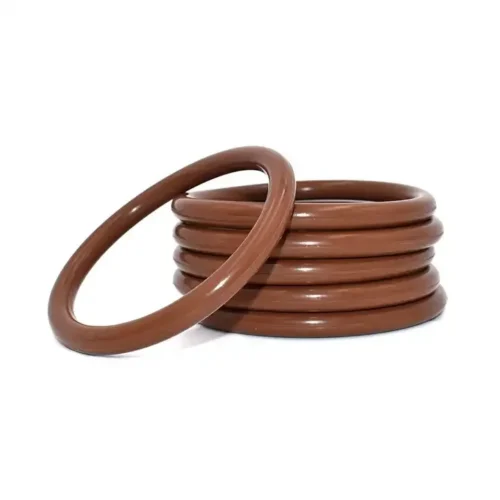
Introduction To HNBR HNBR Material Description Introduction 1 Nitrile has good mechanical properties when compared with other elastomers and high wear resistance. 2 Trade names include Therban® (Mobay), Tornac® (Polysar), and Zetpol® (Nippon Zeon Company). 3 Hydrogenated butadiene rubber (HNBR) is a highly saturated special elastomer formed by hydrogenation of butadiene rubber (NBR). 4 Compared…
-
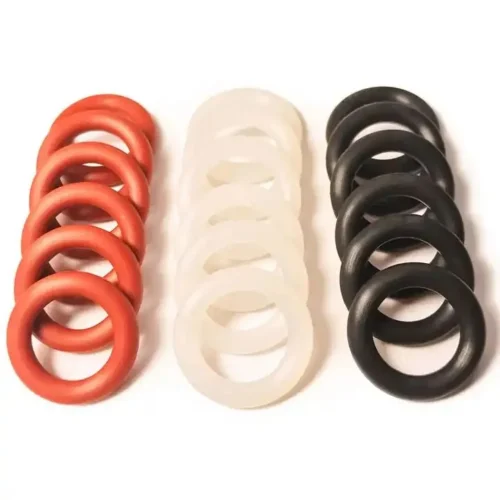
Introduction To NBR NBR Material Description Introduction 1 Nitrile rubber (NBR) is a copolymer formed by the polymerization of acrylonitrile and butadiene monomer, mainly produced by low-temperature emulsion polymerization, excellent oil resistance, high wear resistance, good heat resistance and strong adhesion. 2 Nitrile rubber is mainly used in the manufacture of oil-resistant rubber products. The…
-
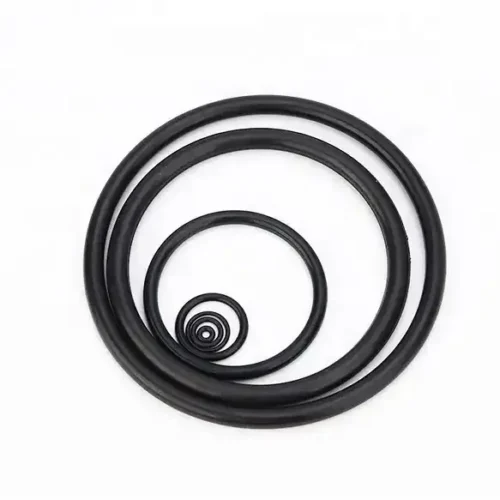
Introduction To NR NR Material Description Introduction 1 Natural rubber (NR) is mainly rubber hydrocarbon (polyisoprene), containing a small amount of protein, moisture, resin acid, sugar and inorganic salts. 2 High elasticity, high tensile strength, excellent tear resistance and electrical insulation, good wear resistance and drought resistance, good processability, easy bonding of other materials, and…
-
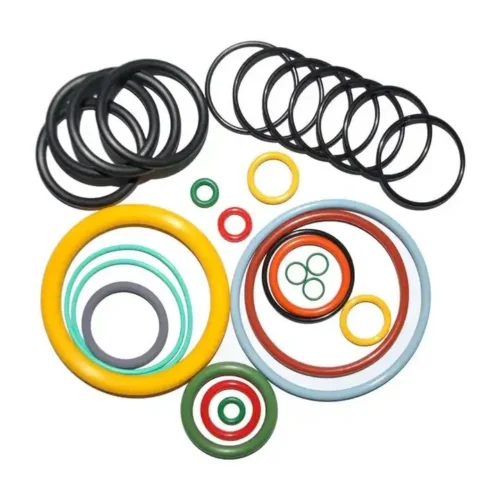
Introduction To SBR SBR Material Description Introduction 1 Styrene-butadiene rubber, abbreviated SBR, is an abbreviation for Polymerized Styrene Butadiene Rubber. 2 Styrene-butadiene rubber is the backbone product of the rubber industry, is the largest general synthetic rubber variety, and is also one of the earliest synthetic rubber varieties to achieve industrial production. 3 According…
-
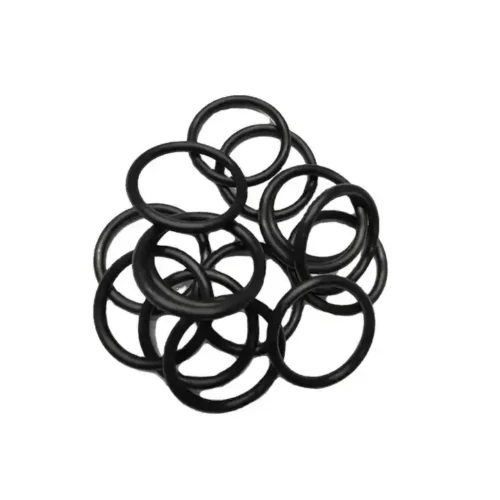
Introduction To SILICONE SILICONE Material Description Introduction 1 Silicones are a group of synthetic polymers in which silicon atoms are linked to oxygen atoms. 2 They are characterized by excellent mechanical properties and a good temperature resistance. 3 As they are not harmful to health, they are commonly used in the food industry. 4…
-
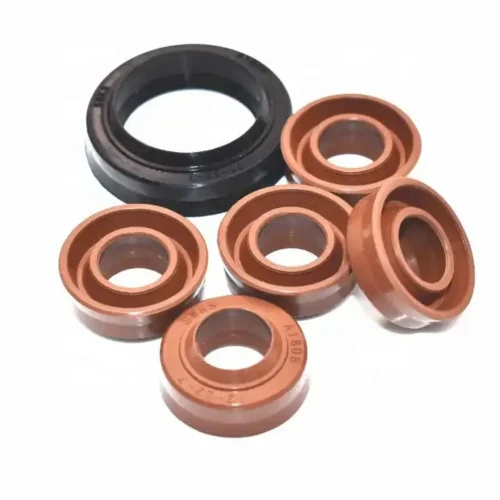
Introduction To VITON VITON Material Description Introduction 1 A range of fluoropolymer elastomers whose formulation can be tailored to a reasonable extent to meet the needs of individual end-uses. 2 They are normally black and have high heat, oil and chemical resistance but indifferent low temperature performance. 3 RWith the exception of Kalrez® perfluorinated…
End of content
End of content